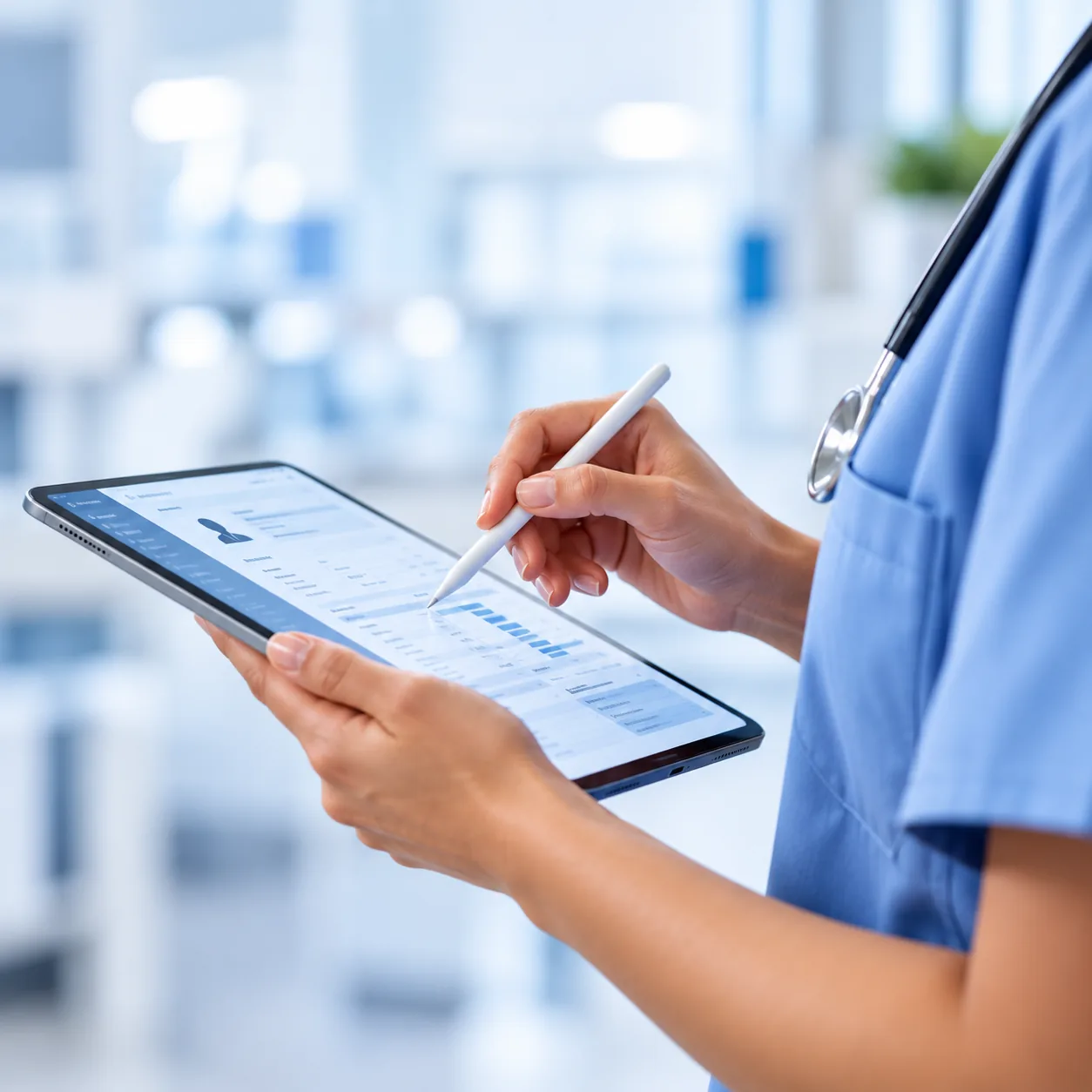
Clinical investigation to demonstrate the non-inferiority of a digital remote monitoring device versus a traditional paper diary in patients with diabetes
Background
A clinical study in diabetes was conducted to assess the non-inferiority of a digital remote monitoring system compared with conventional follow-up using a paper diary in patients with diabetes. The primary objective was to assess the reliability and clinical effectiveness of the connected platform for transmitting blood glucose data and remotely monitoring patients. This clinical investigation in patients with diabetes also aimed to facilitate the integration of digital health into the day-to-day practice of medical teams.
In particular, the study had to ensure optimal patient adherence to the regular transmission of their blood glucose readings, while guaranteeing the security and confidentiality of the health data transmitted via the platform. Integrating this digital tool into clinical routine was also a significant challenge, requiring coordination between technical, clinical and regulatory teams.
These challenges required rigorous methodological oversight and close coordination between technical, clinical and regulatory teams, to ensure consistent procedures, the quality of the data collected and compliance with the applicable requirements throughout the study.
Pharmaspecific’s role
Pharmaspecific contributed to writing the protocol and study documents, conducted the regulatory submissions to the French authorities and supported the sponsor in structuring the compliance file for the software medical device.
Its expertise ensured the scientific rigour of the protocol and the regulatory compliance of the project, from its design through to final authorisation and execution. The team also helped to secure the different stages of the project, ensuring consistency of documents, compliance with regulatory requirements and sound preparation of the dossier for the authorities. This approach facilitated the development of the project and its oversight through to regulatory authorisation.
It also made it possible to support the sponsor in assessing the specific requirements applicable to medical software and to help prepare the elements needed to validate the project. This coordination supported a structured progression of regulatory and scientific activities, while maintaining consistency between the clinical objectives and compliance requirements.
Results
The study obtained regulatory authorisation from the French authorities.
The protocol was recognised as compliant with the specific requirements for software medical devices (MDR).
The project demonstrated the operational feasibility of a remote monitoring model integrated into clinical practice
Key takeaways
This study illustrates Pharmaspecific's ability to successfully oversee a clinical study of a software medical device, combining regulatory rigour, data security and an understanding of digital health issues.
It confirms Pharmaspecific's position as a key player in digital clinical research, able to support the transition to medical remote monitoring in line with European quality and compliance standards.
This experience also demonstrates its ability to support digital projects that meet the specific requirements of software medical devices.